The Value of Human Hands, Part 1: Christians Who Handcraft
Open any shopping app right now and you’ll find the same ceramic mug, the same “boho” wall art, the same phone case, sold by forty different storefronts, manufactured in the same handful of Asian factories, priced to be disposable. Somewhere else on the internet, an AI generated a “handmade-style” illustration in four seconds flat, no hands involved at all, and someone’s already selling it as wall art.
We’re drowning in things nobody made, in the sense that actually matters. And in the middle of all that, something interesting is happening. People are getting tired of it. There’s a real hunger right now for things a human being actually touched, actually decided the shape of, actually got a little wrong in the one spot that makes it real. Handcrafted work isn’t a nostalgic side category anymore. For a growing number of people, it’s the whole point.
That’s worth pausing on, especially if you’re a Christian who works with your hands. Many faithful are flat out rejecting or seriously limiting both AI and mass produced crap.
Made in the Image of a Maker
Genesis opens with God making things. Not just willing them into abstract existence, but forming, shaping, breathing into. The very first thing we learn about God in scripture is that He creates, and He seems to enjoy it, calling each part of it good as He goes.
Then He makes a human being and says, more or less, “you’re like me.” Not identical, obviously, but stamped with something of that same nature. If God’s fundamental character includes making things, and we’re made in His image, then making things with our own hands isn’t just a hobby or a skill. It’s one of the more direct ways we resemble the God who made us in the first place.
“I have filled him with the divine Spirit of wisdom, understanding, and knowledge, and in every manner of workmanship, to design artistic works, to work in gold, silver, and bronze, in cutting jewels for setting, in carving wood, and to work in every manner of workmanship.”
Exodus 31:3–5 | Orthodox Study Bible
This shows up again in Exodus, in a spot people tend to skim past. God fills a craftsman named Bezalel with His Spirit specifically for skilled work, cutting stones, carving wood, working gold and silver for the tabernacle. Not a prophet. Not a priest. A craftsman, singled out by name, filled with the Spirit of God for the purpose of making beautiful, skilled things with his hands. That’s not a small detail. Skilled handwork gets treated in scripture as something the Spirit of God actually inhabits and empowers, not a lesser calling next to “spiritual” work.
Why Beauty Isn’t Optional
There’s a temptation, especially in more pragmatic corners of Christianity, to treat beauty as decoration. Nice if you can afford it, unnecessary if you can’t, definitely secondary to whatever’s actually useful or true.
The Eastern Orthodox tradition pushes back on that hard, and it’s worth sitting with even if you’re not Orthodox yourself. In Orthodox theology, beauty isn’t a bonus feature layered on top of truth and goodness. The three are treated as basically inseparable, different faces of the same reality. An icon isn’t decoration hung on a wall to make a room feel holier. It’s understood as a window, a genuine point of contact between the physical and the divine, made with painstaking, prayerful, technical skill precisely because the physical world is considered a legitimate place for God to be encountered, not a lesser substitute for some purely spiritual realm somewhere else.
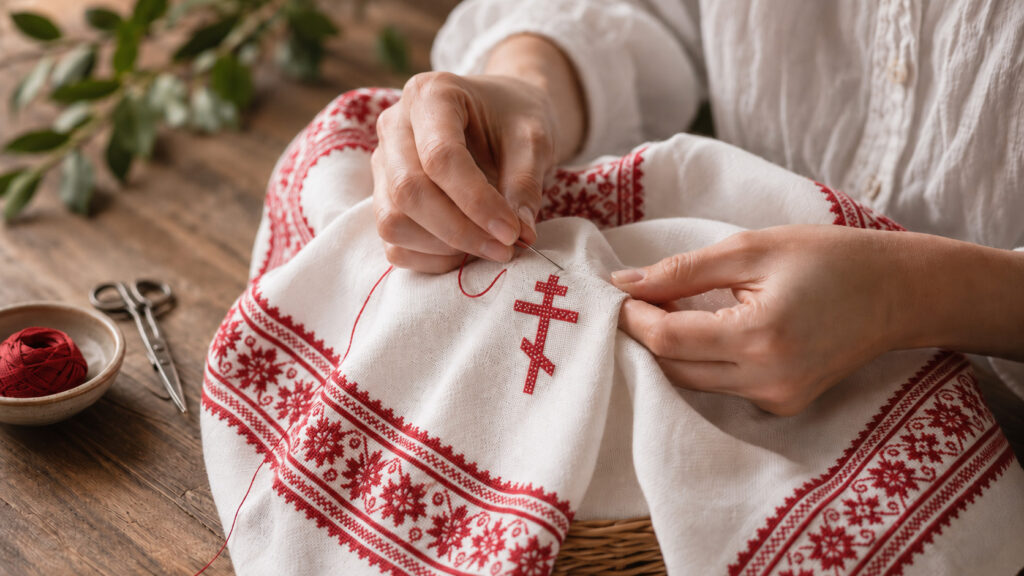
That belief runs all the way back to the Incarnation itself. God took on an actual physical body, actual matter, actual hands and skin and breath. Once that happened, matter stopped being something to escape or merely tolerate on the way to something more spiritual. It became something capable of carrying holiness. Wood, paint, thread, clay, wax, all of it can be a legitimate vessel for something sacred, not despite being physical, but because of it.
Dostoevsky, who wrote from deep inside that same tradition, has a character famously suggest that beauty will save the world. It sounds almost naive stated plainly like that, but it’s not a soft sentiment. It’s a claim that beauty does real spiritual work in a person, cutting past argument and defense in a way that reasoning alone often can’t. A well-made object, crafted with care and skill, carries a trace of that…it means something. It might be one of the more overlooked forms of witness available to a Christian who happens to be good with their hands.
What This Means for the Person Actually Making Things
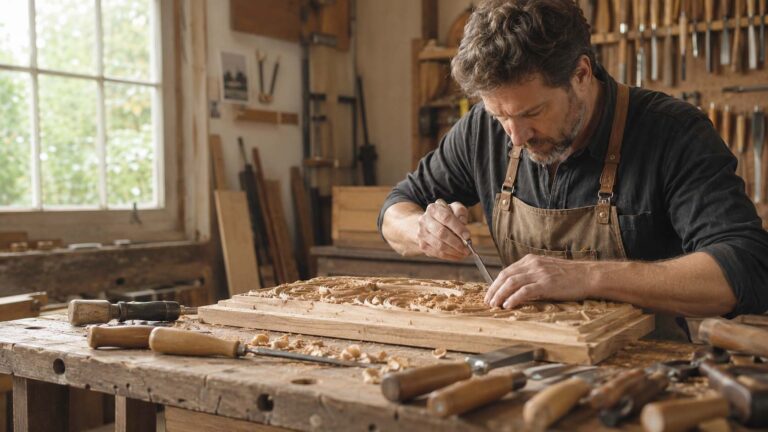
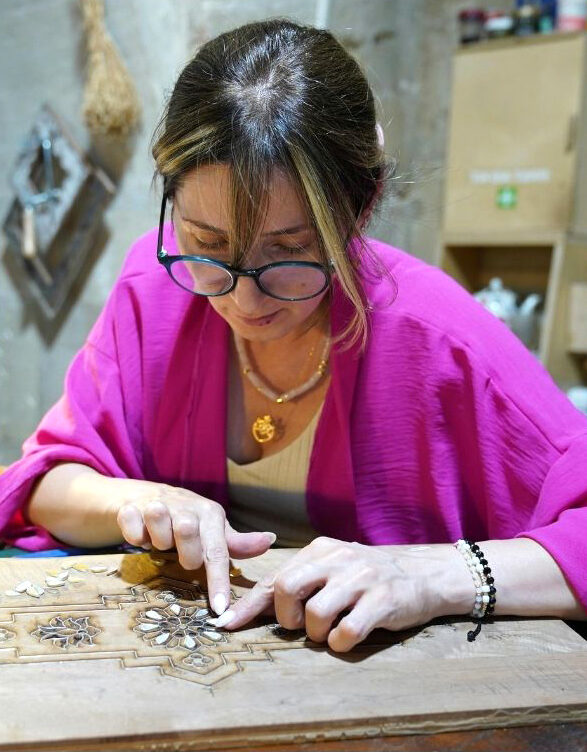
If you make things by hand, soap, furniture, pottery, jewelry, baked goods, whatever it is, this isn’t just a nice frame to put around a hobby that pays a little. It’s a genuine reason to take the craft seriously as something more than a side hustle competing with a factory in another hemisphere.
Every hour spent getting the proportions right on a piece, every batch remade because it wasn’t quite good enough yet, every choice to use a better material even though it costs more and eats the margin, that’s not just perfectionism. It can be an act of worship, in the plainest sense of the word, offering something of real quality because the God who made you cares about quality Himself, and put a hunger for beauty into most human beings whether they can name it or not.
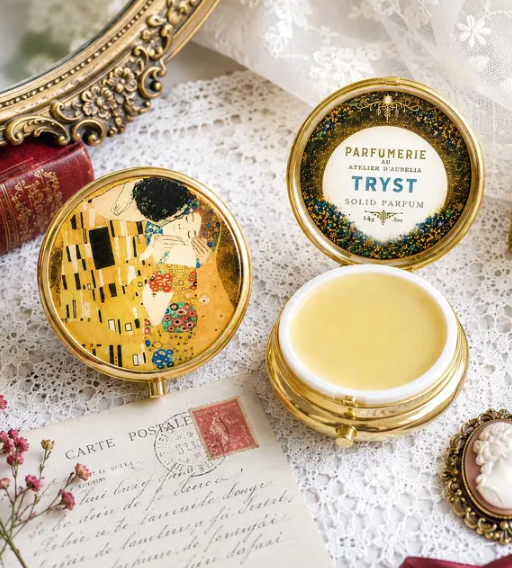
I myself am a perfumer and crafter. You’ll be surprised how often I get stopped and asked about the fragrance I’m wearing or the necklace I have on. Each little meet and greet is an opportunity not only for a potential new customer but a connection. Whether that’s business networking or a just new mom friend…I can witness to each person.
That’s part one. Part two gets more practical: what to actually do with all this once you’re trying to run a real business, the specific advantages handmade work has right now, the specific challenges it runs into, and how to talk about your craft in a way that doesn’t feel like bragging but still helps people understand exactly why it’s worth what you’re charging for it.