Your Logo Is Not Your Brand: Building your Brand as a Christian Entrepreneur
When someone asks about your brand, you probably point to your logo. It might even be a beautiful one. What happens after that determines whether they trust you, believe your pricing, buy, come back, and tell a friend.
Your brand actually lives in the clarity of your website, the tone of your emails, the confidence of your pricing, the ease of your process, and how you handle it when something goes wrong. Every one of those moments either confirms what your brand promised or quietly contradicts it.
Christian entrepreneurs face a particular gap here. Most business advice is either generic marketing content with a Bible verse bolted on, or good teaching about faith with little practical guidance for running a real company. Faith doesn’t remove the need for strategy. Purpose doesn’t replace profitability. Prayer doesn’t eliminate the need for clear pricing, strong systems, and excellent work. Here’s how the pieces actually fit together.
Start With a Touchpoint Inventory
Before you improve your brand, find out where people actually encounter it… not just your logo and website, but every proposal, invoice, delayed reply, and shipping notification, and ESPECIALLY product labels if you sell physical items. Sort them into three stages: discovery (how people first learn you exist), decision (what convinces them to trust and buy), and experience (everything that happens after). Then find the three touchpoints doing the most to win trust, and the three most likely to feel inconsistent or unfinished. Those six become your priorities.
The touchpoints that matter most at Doxaphos aren’t ads or funnels. They’re the first email reply, since our site says plainly, “we do not use automated calendars, scheduling bots, or endless app messages… our first exchange deserves presence, not software.” The second is our initial call or meeting. It’s not a sales call… it’s an honest, real conversation about whether we’re a fit for each other. Our top touchpoint is humanity and integrity in our communication.
Clarity Comes Before Creativity
A beautiful brand cannot rescue an unclear business. Before you decide how it should look, you need to be able to say plainly what you offer, who it’s for, and why someone should choose you. Confusion creates hesitation, and hesitation kills sales. That doesn’t mean narrowing forever, it just means regrouping and giving people one clear place to start.
Doxaphos doesn’t try to be everything to everyone; our homepage names it directly churches, Christian schools, ministries, and faith-based businesses and entrepreneurs.
Write a Real Purpose Statement
This isn’t a slogan for your website, it’s a decision-making tool. A good purpose statement helps you know whether a new service fits, whether a customer is a good match, and whether a growth opportunity actually moves you forward. Build it from five honest answers:
- What you provide? Name the actual product or result, not vague words like “solutions” or “impact.”
- Who you’re best equipped to serve? specific, not “everyone” or “small businesses.”
- What problem(s) that brings them to you?
- What is the real result they walk away with? Often deeper than the physical deliverable.
- Why this work actually matters to you on a personal level? Not what you think a Christian entrepreneur is supposed to say.
Then draft: “We help ___ who are struggling with ___ by providing ___ so they can ___. We believe this matters because ___.” Read it aloud. If it could describe nearly any competitor, it’s not specific enough yet.
To help and give you a real world example ours is “We help churches, ministries, Christian schools, and faith-based businesses turn scattered branding, outdated websites, and disconnected tools into one clear, trustworthy digital presence with clear strategic marketing, so their mission reaches the people it’s meant for.”
Map Your Actual Ideal Client
Skip the imaginary persona. Think of one real past customer who was a great fit, and reconstruct: what problem they had before finding you, what they’d already tried, what they really wanted underneath what they asked for. What were their top buying priorities, and what ultimately built their trust. Just as important…define the wrong fit. A strong brand welcomes the right people by also making clear who it isn’t for.
Our real estate client testimonial is the map in action: someone who wanted their marketing to actually reflect the quality of service they already provide, not just look pretty.
Build an Offer People Actually Understand
Most entrepreneurs describe their process, number of calls, revisions, hours…instead of the result. Lead with what becomes easier, clearer, more beautiful, or more profitable because of your work, then explain what’s included. More visibility and more posting will never fix an offer people don’t understand. It’s a shorter more direct variation on your purpose.
If someone asked me what we do I answer: “We build websites, apps, and brands that make your mission visible so the people you’re called to serve can actually find and trust you.” It’s literally built from our purpose.
Define Your Brand Voice…Not Just Your Colors
Most entrepreneurs know their brand colors and have never once defined how their brand should sound. Pick three feelings you want customers to walk away with, then four specific voice qualities (not “professional and friendly” — everyone says that). Define what each one means in practice, and just as importantly, what your brand never sounds like. Test it by writing a real response to an inquiry and a real response to a disappointed customer in that voice.
Doxaphos’ voice is unhurried, personal, and plainspoken, but it’s also prayerful, warm, and rooted in calling rather than sales. It sounds like a husband and wife talking to you directly, not a studio talking at you. It’s “A simple conversation with zero pressure,” never a pitch, never corporate jargon. It’s honest enough to say, “Hey, we’re not a good fit, and we wish you well.” It’s grounded in scripture, not decoration: “Every project we take on is prayed over first.” And it consistently frames the work as shared purpose rather than a transaction: “If we work together, it is because there is a genuine match between your vision, purpose, and our craft.” Above all, it never rushes and never oversells, because the voice itself is meant to be evidence that you’re dealing with Christian people, not a big ad agency.
Audit Your Visual Identity as a Whole
Your visual identity is more than a logo: it’s your colors, photography, packaging, layouts, and the atmosphere all of it creates together. Gather your website, recent social posts, an invoice, packaging, and business cards side by side. Remove the logo from each: would they still look like the same business? Fix the biggest inconsistencies first, not everything at once.
The soap-maker testimonial (“they made ‘Cow Soap’ somehow gorgeous and elegant”) shows our visual standard: even a playful, humble product gets a cohesive, elevated identity.
Price From Real Numbers, Not Guilt
Chronic underpricing doesn’t produce generosity — it produces exhaustion, resentment, and rushed work. Your price needs to account for materials, labor, experience, overhead, and profit — profit isn’t what’s left over, it’s something you plan for. Calculate the real cost and time of one offer, apply a fair hourly rate, add overhead and a real profit margin, and compare that to what you currently charge. If there’s a big gap, decide: raise the price, simplify the offer, or let it go.
Doxaphos frames itself as intentionally not a high-volume studio, which is really a pricing and capacity decision as much as a values one. We have 35 years of experience in what we do. We’re not the cheapest, but we deliver the highest value for every dollar we quote you, I assure you. We also make the process as pleasant and easy on you as possible. That experience is priced accordingly not only to the work but before we send out anything with a dollar amount on it…it’s prayed over and sat with so we move in integrity.
Make Your Value Visible
On the above note, customers don’t see the years of training or the hours behind the final product…only the price. It’s your job to connect the two, not by defending your price, but by showing your process, your material choices, and the problems your experience prevents and repairs.
Doxaphos makes this visible with detailed, itemized quotes that get walked through together in a meeting, so clients can ask questions before any contract or invoice goes out.
Treat Customer Experience as a Competitive Advantage
A smaller business often can’t win on price or visibility but it can win on experience. Tell people what happens next. Reply within the time you promised. Prepare them for decisions before those decisions become urgent. Map your customer’s full journey from discovery to follow-up, and find the exact moments they might feel confused, uncertain, or forgotten, then fix one immediately.
For us, “We do not hold sales calls nor do we upsell” the customer experience is the differentiator, stated as a promise up front. You’re not a number. You and Your project matter to us.
For Handcrafted Businesses: Your Hands Are Part of the Brand
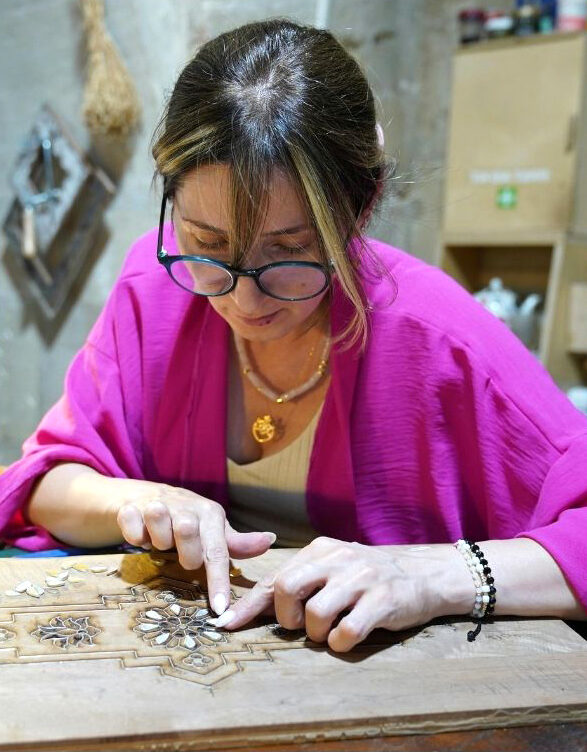
If you make something by hand, you’re not just selling an object , you’re selling your skill, judgment, and story, and that’s a real point of dignity and calling (see Exodus 31, where Bezalel is filled with the Spirit of God for skilled craftsmanship). Show the materials before they’re finished, the failed attempt before the improvement, the reason you chose a better material. That story can’t be copied by a factory, and it’s exactly why you shouldn’t try to compete with mass production on price compete on the fact that a real person made this, on purpose, with care.
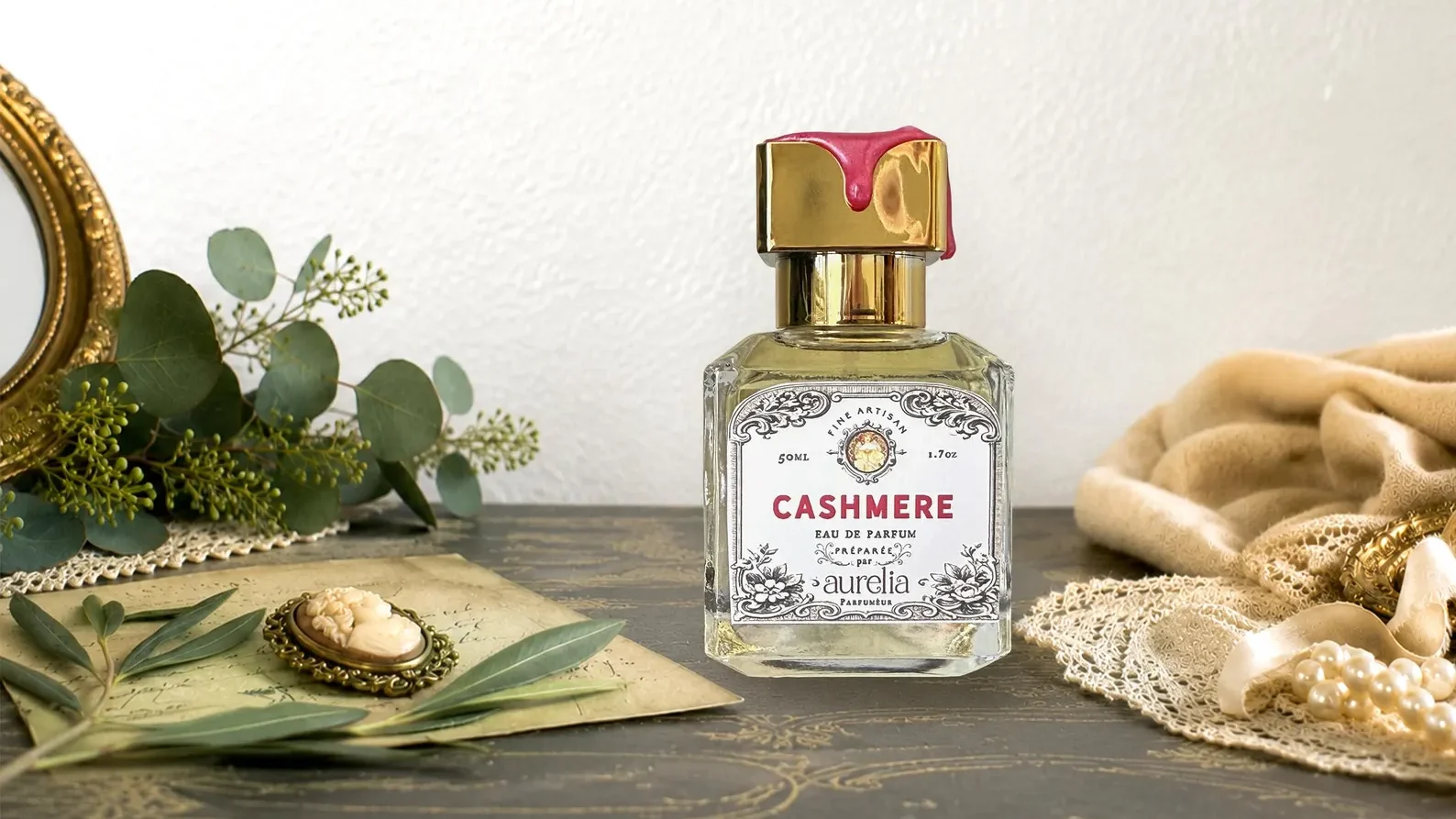
My own handcrafted line, Atelier of Aurelia, makes this real for me. My primary offering is artisan fragrance and every solid perfume and eau de parfum spray is made and designed entirely by my own hands, and my customers notice it. I have 200+ Amazing reviews. One reviewer called me “a master of my craft” with “an eye for detail that really stands out from the crowd.” A shopper isn’t just buying a scent from me, they’re buying a wax sealed tin, a gold compact, and the story of a formula I blended and refined myself, which is exactly why a mass produced fragrance could never replace it.
Let Faith Shape the Business From the Inside
A Christian brand isn’t faithful because it uses biblical language, it’s faithful when belief actually shapes pricing, promises, and how you talk about competitors, especially when integrity is inconvenient. And remember: excellence is not perfectionism. Excellence serves the customer; perfectionism usually just serves fear. You don’t need the perfect website before you take your next customer, you need a clear standard, met consistently, that improves as you go.
Right now as I write this on July 25th, This site’s own banner“We are still building our new site but happy to discuss your project” is us publicly choosing momentum over a perfect launch. I’m still getting inquiries with wonky links and a half built site I am working on. Progress not perfection.
Run the Audit, Then Give Yourself 30 Days
Gather everything a customer sees: website, emails, proposals, packaging, policies and look at it as a stranger would. Does the experience actually match what your brand promises? Then work it in four weeks:
- Week 1: Finalize your purpose statement, ideal client map, offer statement, and voice guide.
- Week 2: Audit the visible brand: website, photography, packaging, listings.
- Week 3: Improve the customer experience: emails, inquiry process, proposals, policies.
- Week 4: Build systems: save approved copy, document processes, share guidance with anyone representing the brand.
Don’t try to fix everything at once. Start with what has the biggest effect on trust.
The Bottom Line
Your business doesn’t need to look like everyone else’s, sound corporate, or hide its convictions to be taken seriously. It needs to tell the truth about what you offer, why it matters, and what people can expect when they choose you. A trustworthy brand isn’t built through a logo, it’s built through hundreds of consistent choices, every time your work matches your words. If your logo, website, messaging, and customer experience feel disconnected, Doxaphos can help bring them together into one clear, credible identity. Faith. Technology. Design.